10 Most Common Mistakes During Open Enrollment, and How to Fix Them.
You spent months negotiating a benefits package your employees should be excited about. So why does every open enrollment season still feel like a fire drill?
Don’t worry, you’re not alone. Here’s a look at how widespread the challenge really is, and why it matters.
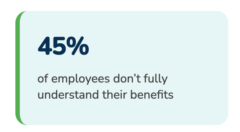
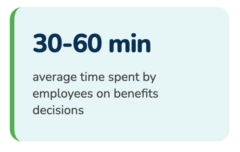
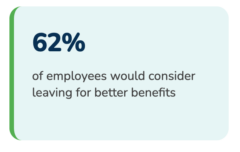
This guide walks you through the most common pitfalls in the open enrollment process, including moments where clarity around benefits and communication tends to fall short for employees, and what you can do to get ahead of them.
The 10 Mistakes
 Treating open enrollment as a single event, not a season
The Problem » Tight timelines and information overload are consistently cited as major barriers to good decisions. Whether it’s one email packed with everything at once, a Benefits Guide sent in hopes someone reads it, or several emails with fragmented information over a short period, the result is the same: employees don’t get the time or structure they need to make informed choices.
The Fix » Build a multi-touchpoint campaign starting 4 to 6 weeks before the deadline. Use a mix of channels, including email, push notifications, video, an OE portal, and manager nudges timed to where employees are in their decision journey: early awareness, mid-season education, and late urgency.
 One message for everyone
The Problem » A 28-year-old single employee and a 45-year-old parent of three have different priorities. Nearly 50% of Gen Z and millennial employees say they’re confused by their options and end up guessing. That’s not a demographics problem. It’s a relevance problem.
The Fix » Segment communications by life stage, role, location, or family status. Personalized messaging ensures that benefits feel relevant to each employee’s situation, driving measurably higher enrollment participation and benefit utilization. When benefits feel relevant, employees pay attention.
 Going quiet after the “enrollment is open” email
The Problem » Sending one announcement, hosting a benefits fair, and hoping employees will take it from there is a common approach. But half the workforce can’t make a one-day fair, and those who do often feel too rushed or embarrassed to ask the questions they actually have. Employees forget. Deadlines creep up.
The Fix » Treat enrollment like a campaign. Keep employees informed throughout the entire OE window. Give them an online hub they can access 24/7 on their own time, a place where they can explore options and get answers without the pressure of a crowded fair. Make it worth visiting with incentives, games, raffles, and interactive content.
 Burying everything in PDFs and leaving employees to decide alone
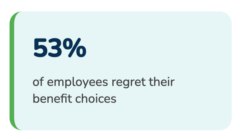
The Problem » Dense benefit guides don’t get read. 53% of employees regret their choices: 25% didn’t match benefits to their life needs, 19% didn’t understand their options, and 20% simply missed the deadline. That’s not apathy. It’s a failure of the experience.
The Fix » Replace static PDFs with interactive, digestible content including explainer videos, decision-support tools, side-by-side comparisons, and searchable FAQs. Guide employees through the decision. When people feel supported, they choose better and regret less.
 Making it hard to get answers
The Problem » When employees have questions, they email HR. HR answers the same questions 200 times. Everyone loses. Employees who can’t get answers fast enough miss deadlines or make uninformed choices, contributing directly to that 53% regret rate.
The Fix » Build self-service support into the enrollment experience with tools like live chat, searchable FAQs, and AI-powered assistance that can handle common questions instantly, at any hour. Your HR team shouldn’t be a help desk during enrollment season.
 Forgetting about dependents
The Problem » Benefits decisions are rarely made alone. Spouses and partners are often the primary drivers of healthcare choices, but they’re locked out of most enrollment platforms. This creates friction at home, delays at work, and decisions made without full information.
The Fix » Give dependents secure access to relevant benefits information. When the whole household can explore options together, employees make faster, more confident decisions and HR gets fewer “my spouse had a question” follow-up emails.
 Not measuring what’s actually happening
The Problem » If you don’t know which benefits employees are engaging with, which communications are opening, or where people are dropping off, you’re flying blind. Low participation, high regret, and last-minute surges are all symptoms of a process not being monitored in real time.
The Fix » Track participation as it happens. Monitor KPIs like open rates, content engagement, common questions, and enrollment completion by segment. Use data to course-correct mid-season, not just at the end. What gets measured can be improved.
 Leaving mobile as an afterthought
The Problem » A large share of your workforce, especially frontline, field or hourly employees, doesn’t sit at a desk during the workday. If your enrollment experience isn’t seamless on a phone, you’re creating friction for the people who need the most support.
The Fix » Make sure enrollment is also designed for mobile devices. In this day and age, employees should be able to explore their benefits, compare plans, and enroll from any device. Accessibility isn’t a feature. It’s a participation driver.
 Letting engagement drop to zero after enrollment closes
The Problem » Once enrollment ends, most organizations go dark on benefits until the following fall. Employees forget what they chose, underutilize their benefits, and return to next year’s enrollment just as confused. 21% of employees actively adjust benefits each year, signaling that needs change and static programs fall short.
The Fix » Maintain some communication year-round, whether through a benefits hub, a casual email with updates, or a brief newsletter with relevant information. When employees can regularly access and engage with their benefits content, they become better benefits consumers. They use what they have, find real value in what their company offers, and over time become healthier, happier, and more productive. And when next year’s open enrollment arrives, they’re already informed and ready.
 Overlooking compliance and required notices
The Problem » Open enrollment isn’t just an employee experience challenge. It’s a legal one. Failure to clearly communicate plan changes, required notices, and enrollment deadlines is one of the most common and most avoidable compliance risks HR teams face. Missing a required notice can escalate from an HR issue to a legal and financial liability.
The Fix » Build compliance checkpoints into your enrollment workflow. Ensure required notices are delivered, documented, and tracked. Use a platform that helps you manage communications so nothing falls through the cracks.
What high-performing HR teams have in common
The organizations that consistently nail open enrollment treat it as a strategic communications campaign, not an administrative task. They start early, personalize, measure, and make it easy for everyone involved.
Ready to make open enrollment easier for your employees and your HR team? See how HRflip turns benefits into an experience people actually use. Let’s connect.
Sources
ADP. (2024). HR Trends and Insights: Benefits Administration and Workforce Management.
APA. (2024). Payroll and Benefits Administration Survey Findings.
Gallup. (2025). State of the Global Workplace Report.
Mercer. (2025). Inside Employees’ Minds Survey.
MetLife. (2024). U.S. Employee Benefit Trends Study.
PwC. (2024). Employee Financial Wellness Survey.
SHRM. (2024). Employee Benefits Survey.
WTW. (2025). Global Benefits Attitudes Survey.